


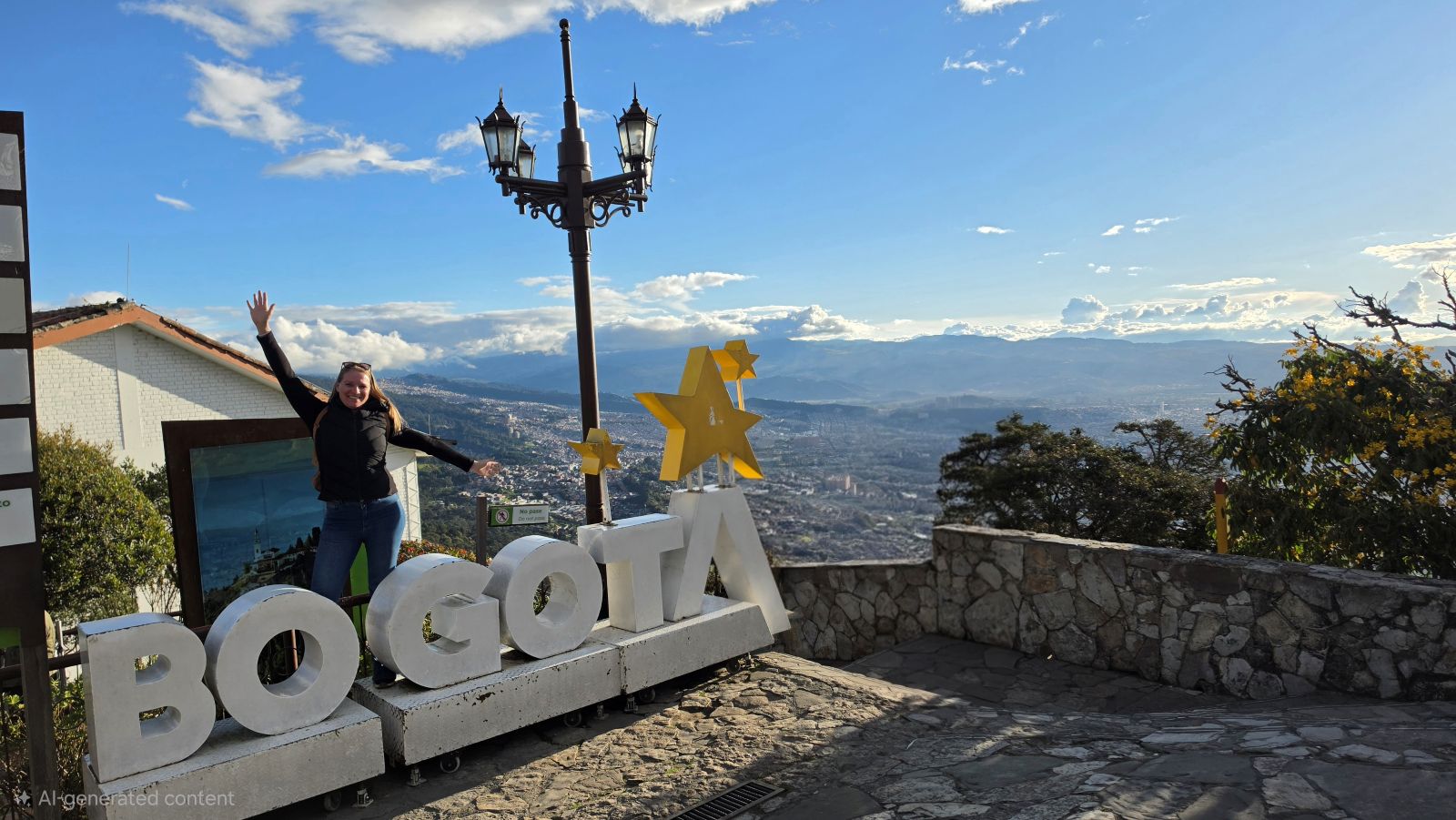
Is Colombia safe to travel to?
18 November 2026. Posted in Blog ENIs Colombia Safe for Your Clients? What Agents Should Know in 2026
By MiraMundo Travel, your local DMC in Colombia. Updated November 2026.
If you sell Colombia, you have heard this question from clients: “Is it safe?” It is also a question you ask yourself before you put your name and your client’s holiday on a destination.
We live and work in Colombia and operate trips here every week, so we will give you a straight answer: Colombia is a destination that can be traveled well, but it is not a country where every region is equally safe, and the details matter. This article explains how to read the official advice, which parts of the country need attention, and what a good DMC does to keep your clients safe.
The honest answer: it depends on where, and how
Colombia has changed enormously over the past two decades, and millions of international visitors now travel to Cartagena, Medellín, the Coffee Region, Bogotá and the Caribbean coast. At the same time, parts of the country still face armed conflict, organized crime and security incidents, and these areas are not part of any standard tourist itinerary.
So “Is Colombia safe?” is the wrong question. A better one is: “Is this itinerary, in these regions, run by this operator, safe for this client?” That is the question we help you answer.
What the official travel advice says
Governments publish travel advice for their citizens, and your clients (and their insurers) will read it. Always check the latest advice. Here is how the main source markets currently look, based on the latest advisories we reviewed:
- United States: The State Department rates Colombia Level 3, Reconsider Travel, citing crime, terrorism, civil unrest, kidnapping and, in its latest update, natural disasters. Several areas are rated Level 4, Do Not Travel, including Arauca, Cauca (outside Popayán), Norte de Santander and the Colombia-Venezuela border region.
https://travel.state.gov/en/international-travel/travel-advisories/colombia.html - United Kingdom: The FCDO does not advise against travel to the whole country. It advises against all but essential travel to specific areas, such as Norte de Santander, Arauca, parts of Cauca and other regions along the borders and Pacific coast. It also warns that travel insurance can be invalidated if clients travel against FCDO advice.
https://www.gov.uk/foreign-travel-advice/colombia - Netherlands: The Dutch Ministry of Foreign Affairs uses a color-code system. Several areas in the west, east and south are red or orange, while the rest of Colombia is yellow, meaning travel is possible but with specific safety risks to be aware of.
https://www.nederlandwereldwijd.nl/reisadvies/colombia - Belgium: The Belgian Foreign Ministry (FPS Foreign Affairs) advises vigilance in big cities such as Bogotá, Medellín, Cali, Cartagena and Barranquilla. It advises against non-essential travel to several rural areas, and against all travel to Arauca, the borders with Venezuela, Ecuador and Panama, Chocó (except Bahía Solano and Nuquí) and Valle del Cauca (except Cali), among other areas. Belgian advice is non-binding.
https://diplomatie.belgium.be/nl/landen/colombia/reizen-naar-colombia-reisadvies/laatste-update-colombia - Canada: Global Affairs Canada rates Colombia Exercise a high degree of caution, with regional advisories. It advises avoiding all travel to certain border areas and departments, and avoiding non-essential travel to others.
https://travel.gc.ca/destinations/colombia - Scandinavian countries: Sweden tightened its advice in June 2026. It advises against all travel to Norte de Santander and against non-essential travel to other listed areas. Denmark and Norway publish their own advice.
https://www.swedenabroad.se/sv/om-utlandet-f%C3%B6r-svenska-medborgare/colombia/reseinformation/ambassadens-reseinformation/
Three things to take from this:
- Advice is mostly regional. Warnings are concentrated in border zones, the Pacific coast except the tourist areas of Bahia Solano and Nuqui and certain conflict-affected departments, not in the places most clients visit.
- Advice differs by country. A US client and a Dutch client may see a different headline level for the same itinerary. Know which one applies to your client.
- Advice changes. Colombia’s advisories have been updated several times this year, including for elections, security incidents and natural events, so always check before you confirm a booking.
Insurance and cancellation: the part agents forget
The official advice has a direct commercial impact. In several markets, travel insurance may not cover cancellation or may be limited if the destination or region carries a negative government advisory at the time of booking, and the UK FCDO states that insurance can be invalidated when traveling against its advice.
What this means for you:
- Check the current advice for your client’s country before quoting and again before departure.
- Make sure the client’s insurance covers the full itinerary, including activities such as hiking, boating or horseback riding.
- Keep itineraries within the regions that are not flagged for your client’s nationality.
The risks that actually matter for visitors
For travelers on a standard itinerary, the practical risks look a lot like those in other large Latin American destinations:
- Petty crime: phone snatching, pickpocketing and theft in busy urban areas. This is the most common problem and is largely preventable.
- Drink spiking and dating-app scams: Authorities in several countries have warned about criminals who use dating apps to drug and rob travelers in big cities. These cases mostly involve men who meet women through dating apps, and they very rarely affect regular tourists who travel with a guide, stay in reliable hotels and follow their itinerary. Still, give solo travelers a short word of advice.
- Unlicensed taxis and street hailing: Use trusted transfers or ride apps, and avoid walking alone late at night in unfamiliar areas.
- Natural events: Colombia is seismically active, and a significant earthquake in the Chocó region in August 2026 affected flights and travel in parts of the country. Your DMC should monitor events like this and adjust plans quickly.
- Health: Yellow fever vaccination is recommended for certain regions, and altitude affects clients in Bogotá and other highland destinations. Remind clients to check health advice well before departure.
What a responsible DMC does to keep your clients safe
The difference between a smooth trip and a stressful one is often the operator on the ground. Here is what to look for in any Colombia DMC, and what we do at MiraMundo Travel:
- Route planning with real local knowledge. We build itineraries around regions we know and avoid areas flagged by authorities. When conditions change, we tell you and propose alternatives.
- Vetted suppliers. Drivers, guides, hotels and activity providers are selected and checked, not found at the last minute.
- Reliable hotels in safe locations. We select reliable hotels in safe, well-located areas, close to restaurants and sights, so your clients can relax and move around with confidence.
- Private, reliable transport. Licensed transfers instead of random taxis. We also include airport pickups for a safe and comfortable arrival, so your clients know who will be waiting for them at the airport and don’t have to look for transport after a long flight.
- 24/7 support during the trip. During the trip we are in 24/7 contact with your clients. If something happens, a local team member answers right away, whether it is a delayed flight, a lost passport or a change of plans.
- Clear pre-departure briefings. Clients get practical information on safety, health, local customs and what to do in an emergency.
- Proper registration. We are registered in the National Tourism Registry (RNT) and members of the Cámara de Comercio and the Holland House Colombia network.
- A contingency plan. Weather, road blockages, strikes, protests and natural events happen. We monitor them and adjust with you.
How to talk to your clients about safety
Honest communication builds trust and prevents surprises. A few tips:
- Don’t minimize and don’t alarm. Explain that safety depends on region and preparation, and that you work with a local expert.
- Share official sources. Point clients to their own government’s travel advice so they hear it from you first.
- Give simple rules. Keep valuables out of sight, use trusted transport, don’t accept drinks from strangers, and follow your guide’s advice.
- Make the itinerary part of the answer. A clear route in well-established destinations, with private guides and transfers, is the best safety message.
So, is Colombia safe for your clients?
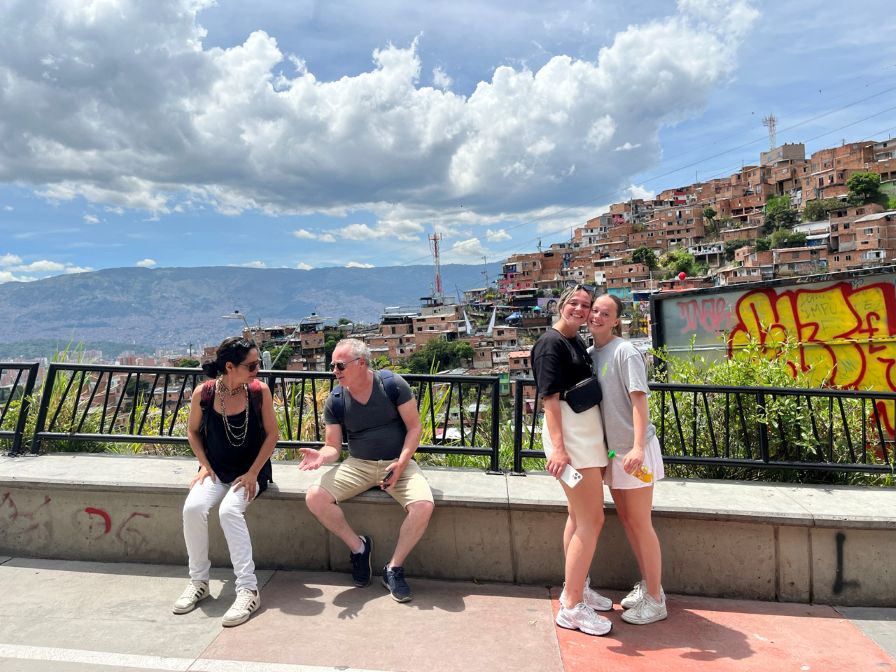
For well-planned itineraries in the main tourist regions, with a reliable local partner, many thousands of travelers visit Colombia every year without serious problems. But it requires current information, honest briefing and local expertise. That is exactly what a good DMC provides.
Official travel advice changes frequently. The information in this article reflects the advisories we reviewed in autumn 2026. Always check the latest advice from your clients’ own government before booking.
Planning Colombia for your agency?
MiraMundo Travel is a Colombia-based DMC creating tailor-made, white-label journeys for travel agencies and tour operators. We handle planning, operations and 24/7 support, so you can sell Colombia with confidence.
Contact us to request our agent information and sample itineraries: [email protected]